


Building the Foundation: Early Literacy Worksheets
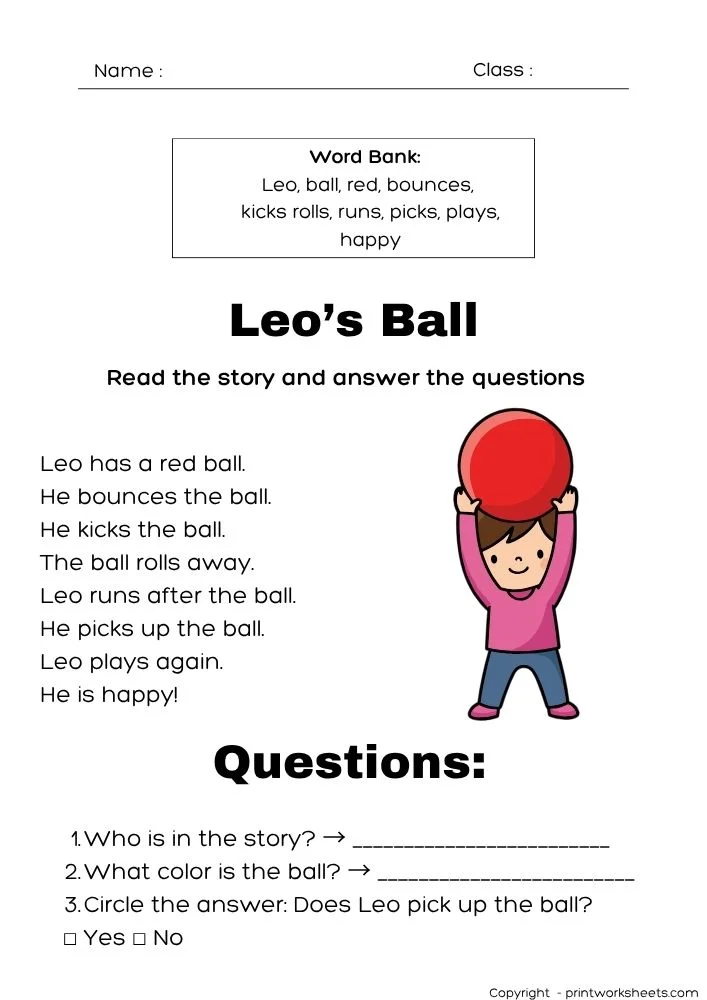
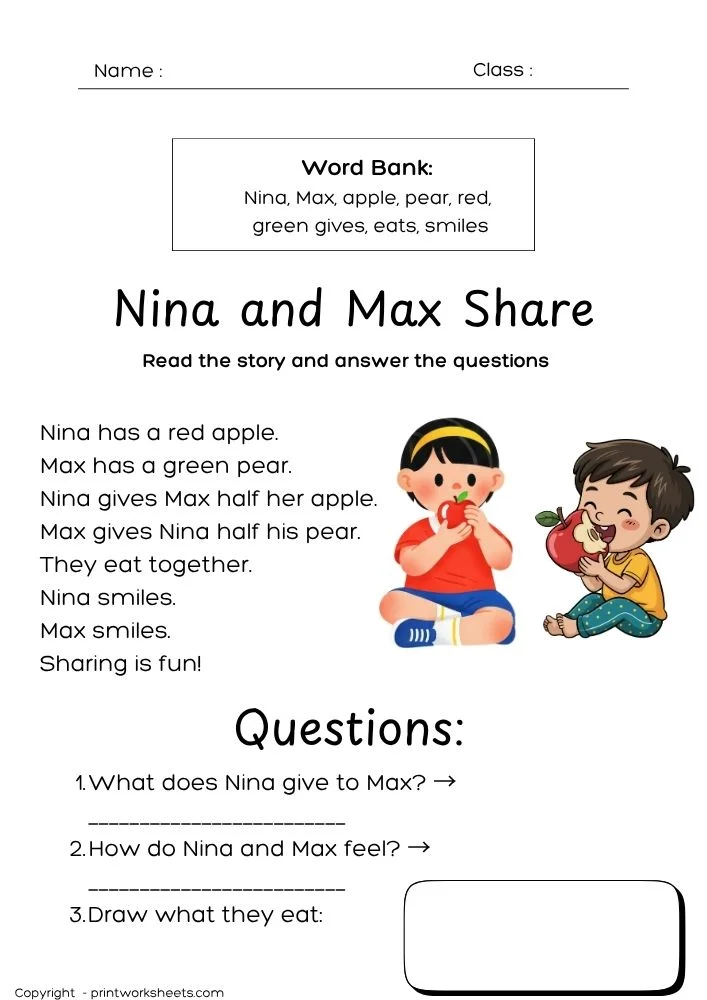
Welcome to our Early Literacy collection. The journey to becoming a confident reader begins long before a child steps into a classroom. It starts with recognizing letters, understanding sounds, and realizing that print carries meaning. Our free printable resources are designed to make these first steps fun and frustration-free for toddlers, preschoolers, and kindergarteners.
Research shows that early exposure to literacy activities is the strongest predictor of future academic success. We provide the tools parents and teachers need to build this strong foundation.
Key Pillars of Early Reading
Our worksheets cover the essential components of "Learning to Read":
- Alphabet Recognition:
Before reading words, kids must know their ABCs. We have worksheets for Letter Tracing (uppercase and lowercase), letter matching, and identifying beginning sounds (e.g., "A is for Apple"). - Phonics & Phonemic Awareness:
This is the code of reading. Our activities help children connect letters to sounds, blend sounds to make words (CVC words like "cat", "dog"), and recognize rhyming words. - Sight Words:
Practice high-frequency words (like "the", "and", "is") that appear most often in books. Mastering these boosts reading speed and fluency. - Print Concepts:
Simple activities that teach how to hold a book, track text from left to right, and distinguish between pictures and words.
Why Start Early?
Early literacy isn't about forcing a 3-year-old to read novels. It's about playful engagement. Coloring a letter 'B', tracing a dotted line, or circling pictures that start with 'S' builds the cognitive pathways needed for reading, all while developing fine motor skills.
Frequently Asked Questions about Early Literacy
At what age should I start these worksheets?
You can introduce simple alphabet coloring pages as early as 2 or 3 years old. Formal tracing and phonics activities are usually best for ages 4-5 (Pre-K and Kindergarten), but follow your child's interest and pace.
What is the difference between Phonological Awareness and Phonics?
Phonological Awareness is understanding that words are made of sounds (listening skills). Phonics is connecting those sounds to written letters. Our worksheets bridge the gap by combining visual letters with sound-based activities.
How do I teach CVC words?
CVC words (Consonant-Vowel-Consonant, like "H-A-T") are the first words kids learn to decode. Use our "Blend and Read" worksheets to help them sound out each letter slowly and then say them fast together.